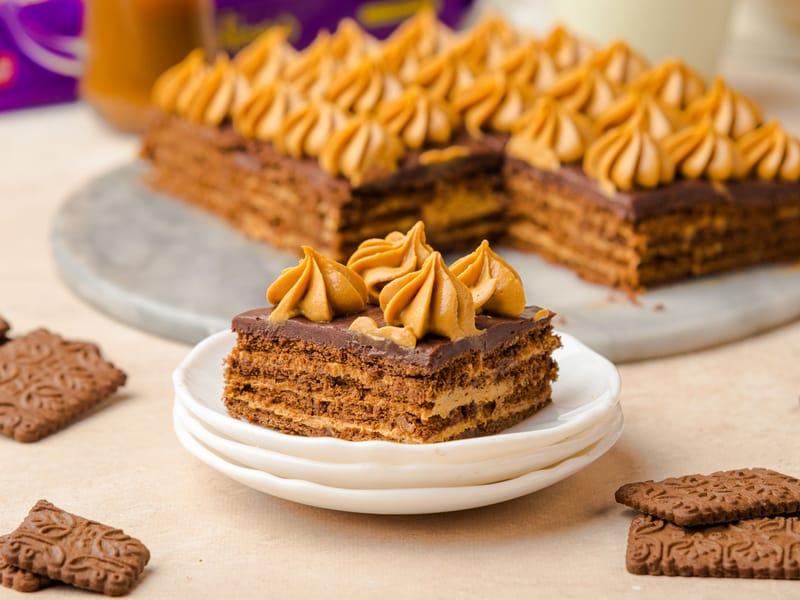
Dulce de leche
Milk and sugar cooked slowly until thick, glossy and caramel brown. Argentina’s favorite sweet, and how to find a good one in the US.
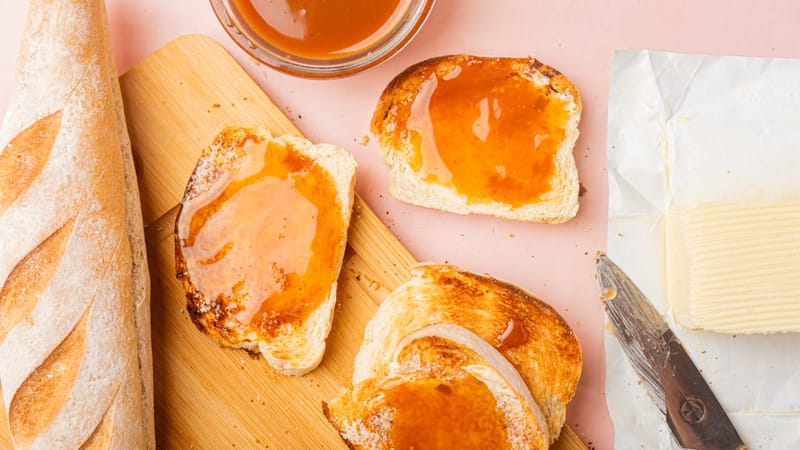
Dulce de leche is milk and sugar cooked slowly for hours, until the milk reduces and the sugar caramelizes into a thick, glossy, caramel-brown spread. It’s sweeter than butterscotch and thicker than caramel sauce, and in Argentina it goes on everything from breakfast toast to birthday cakes.
Argentine stores sell two main kinds. Clásico is softer, for spreading and eating by the spoonful. Repostero is thicker and holds its shape, so it’s the one for filling cakes, alfajores and pastries. When a recipe needs the filling to stay put, like chocotorta, use repostero or a thick homemade batch.
Quality varies a lot between brands. Read the label: the best ones are just milk, sugar and a little baking soda, without starches or thickeners.
Where it comes from and how Argentines eat it: read our guide to dulce de leche.
Where to buy it in the US
- The Latin aisle of large supermarkets, especially in areas with big Hispanic communities: La Lechera and San Ignacio are the easiest to find. For Argentine brands like Havanna or La Serenísima, try Latin grocers or order online.
Substitutes
- Homemade dulce de leche
- Our homemade dulce de leche takes about 2 ½ hours, mostly stirring, and beats most jars.
- One-ingredient dulce de leche
- Short on time? Bake a can of sweetened condensed milk in a water bath with our one-ingredient recipe.