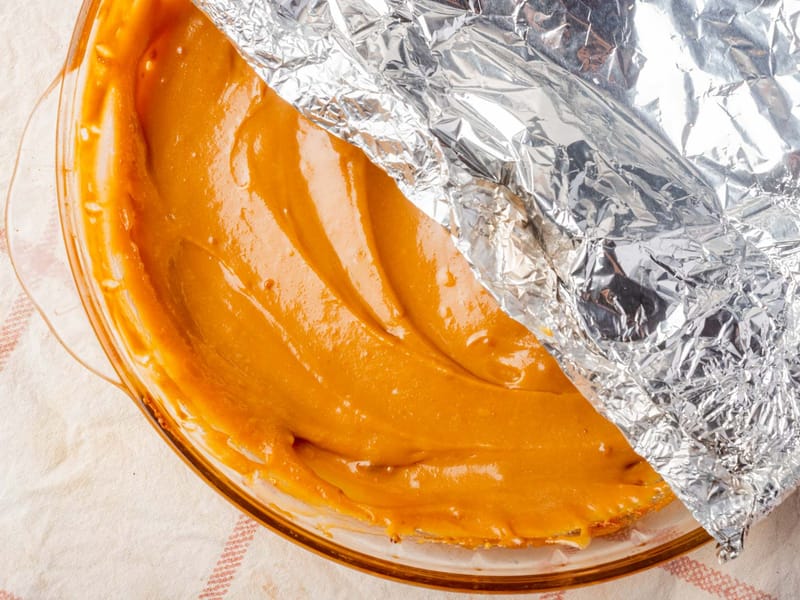
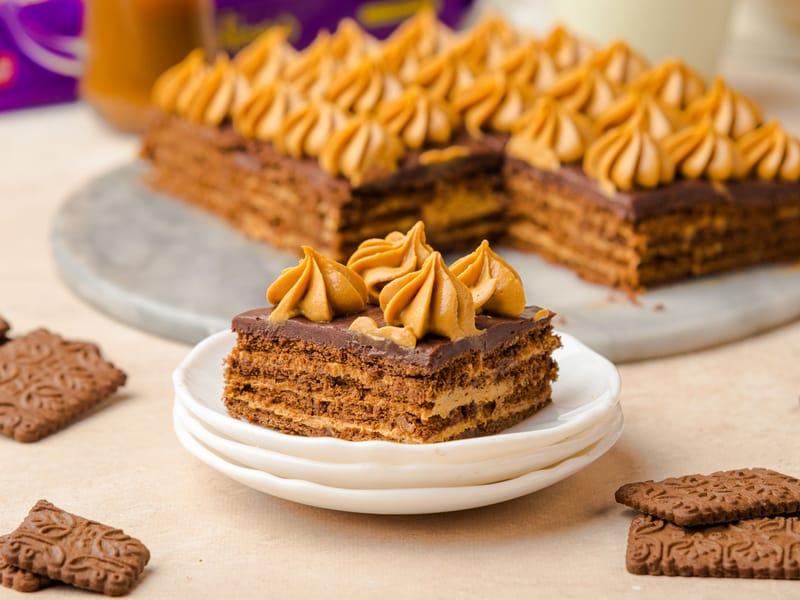
Part of Dulce de Leche: Recipes and Guides
Homemade Dulce de Leche (with Our Secret Trick)
In Argentina: Dulce de leche (DOOL-seh deh LEH-cheh)
- Total time
- Difficulty
- Easy
- Makes
- 8 servings
- Flavor
- Sweet, milky and caramel-like
- Diet
- Vegetarian, Gluten-free
- Main equipment
- Large heavy-bottomed pot, Wooden spoon

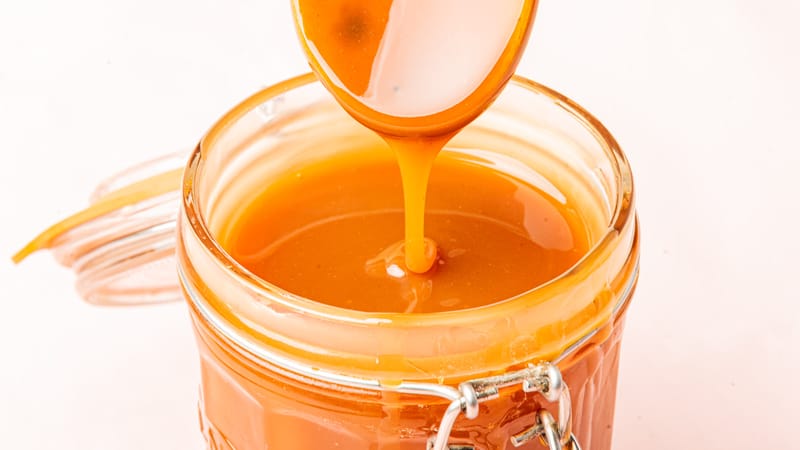
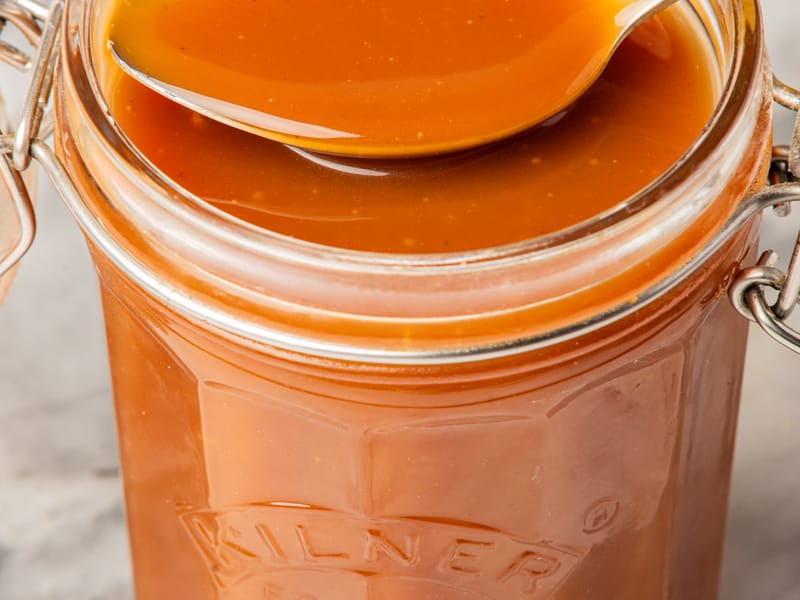
If you have a sweet tooth, try this traditional Argentine dulce de leche, along with our secret trick for extra smoothness and shine. It only takes a few ingredients, a large pot and some patience. Spread it on toast, use it to fill churros or simply eat it by the spoonful: it’s the most versatile sweet you’ll ever taste.
Nothing screams Argentina more than a jar of dulce de leche. It’s a creamy sauce, a tad sweeter than butterscotch and a bit thicker than caramel sauce, and we consider it our favorite treat and a national culinary treasure. That’s why we’re not only showing you how to make it from scratch, but also sharing the trick our families have used for decades.
Tips
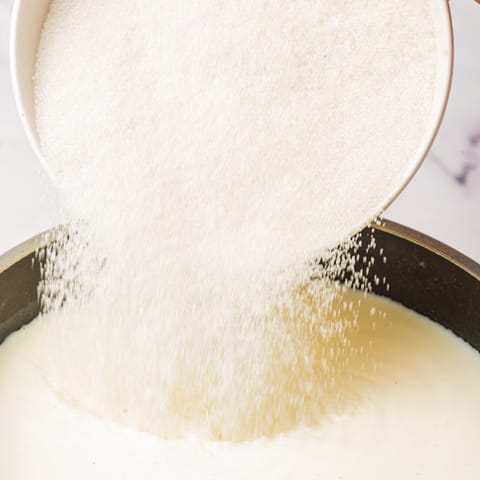
- Warm the milk before adding the sugar: it dissolves more easily.
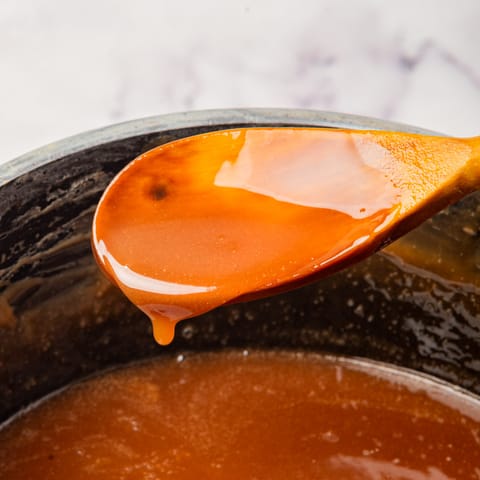
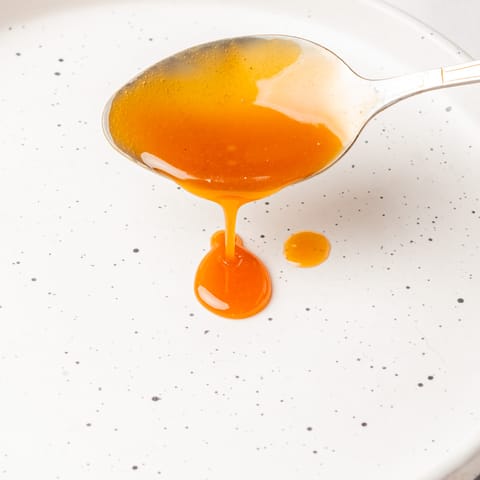
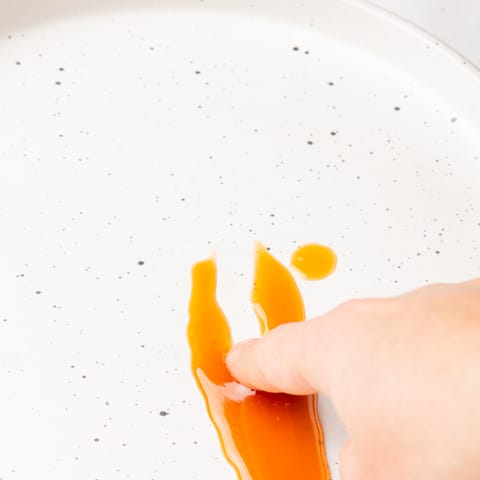
- Chill a plate in the fridge before you start, so it's ready for the finger test at the end.
- Use a heavy-bottomed pot and a wooden spoon: the heat spreads evenly and the handle stays cool during the long stir.
Common mistakes
- Letting the milk boil at the start.
- How to avoid it: Keep it over medium-high heat and watch it; boiling can scorch or curdle it.
- Cooking it too hot or too long, until it turns grainy.
- How to avoid it: Stay on low to medium heat for about 2 1/2 hours and stop when it passes the plate test. It thickens as it cools.
Homemade Dulce de Leche (with Our Secret Trick)
Traditional Argentine dulce de leche from scratch: milk, sugar and our secret ingredient, heavy cream, for an extra smooth, creamy and shiny result.
- Prep
- Cook
- Total
- Makes
- 8 servings
- Level
- Easy
Scale
Units
Ingredients
Equipment
- Large heavy-bottomed pot
- Wooden spoon
- Airtight glass jars
Instructions
Timer: 5 min
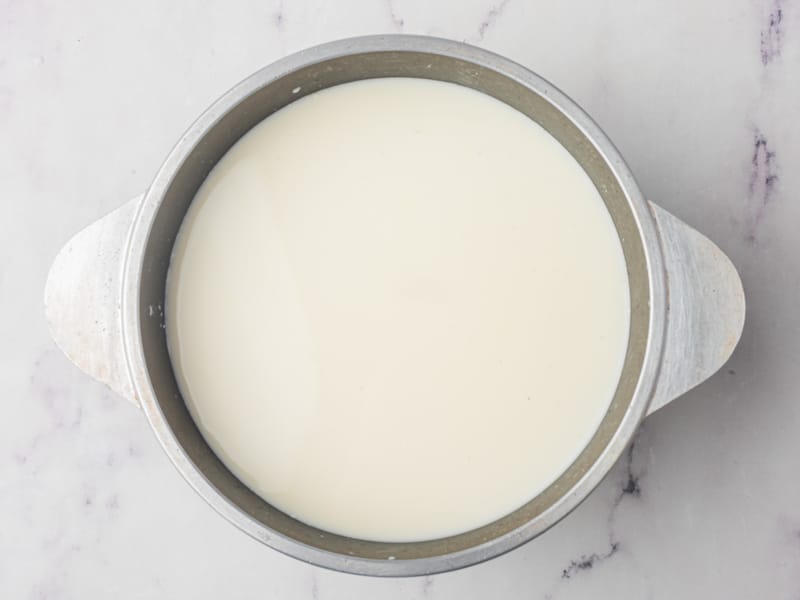
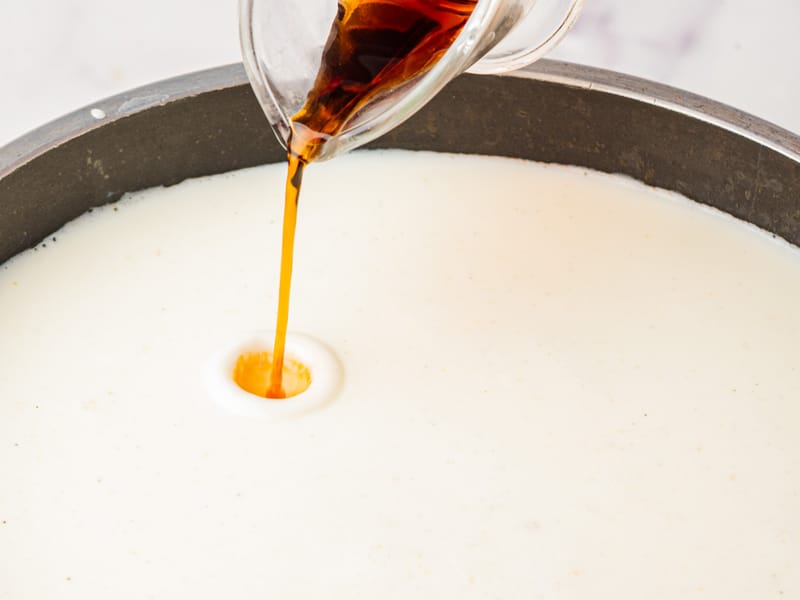
Timer: 2 hr 30 min
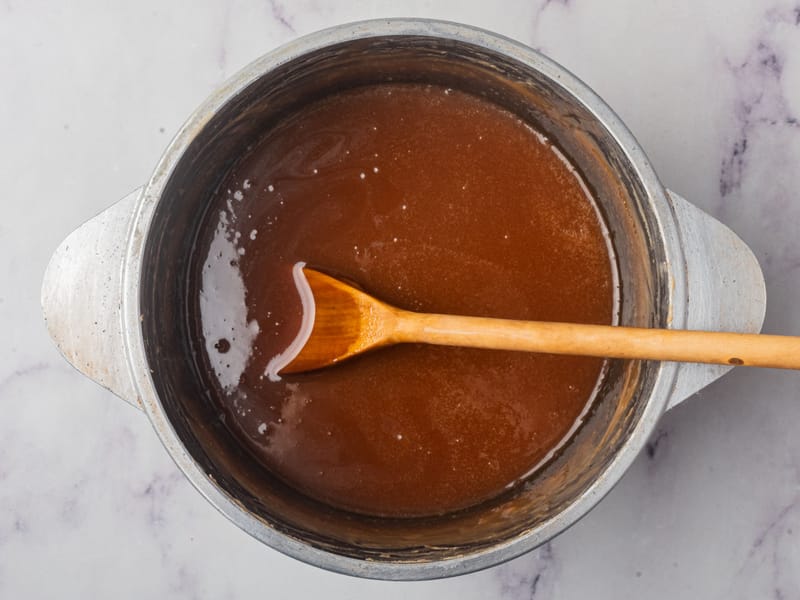
Timer: 5 min
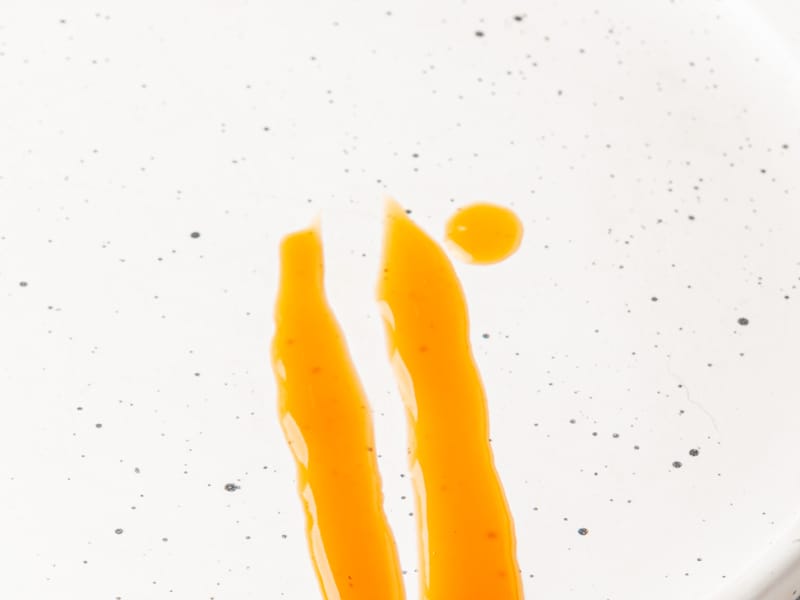
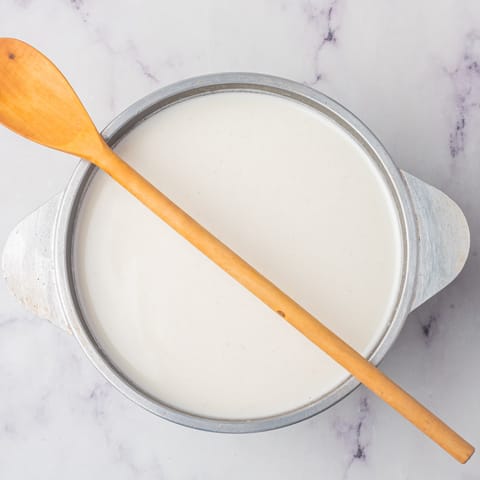
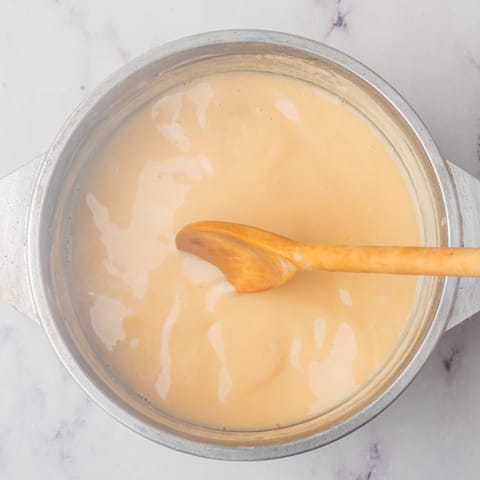
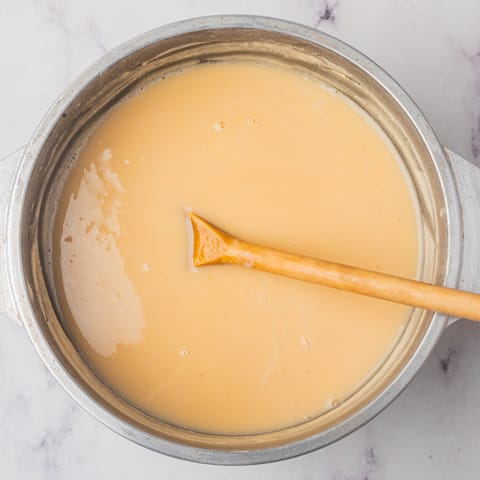
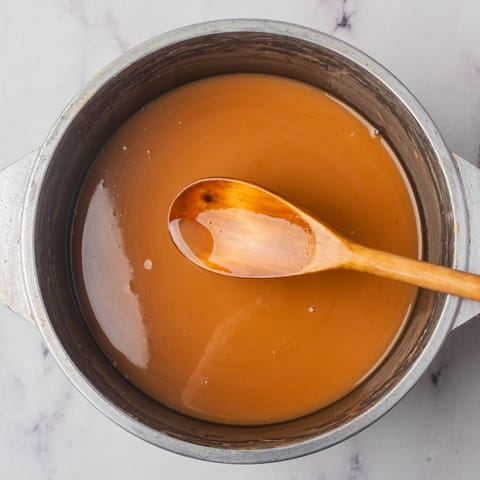
Nutrition (estimated, per serving)
- Calories
- 502 kcal
- Fat
- 19 g
- Carbohydrates
- 76 g
- Protein
- 9 g
- Sodium
- 290 mg
Calculated from USDA FoodData Central values for the ingredients. Actual amounts vary with brands and portions.
Cooking this in the US
Ingredients and substitutes
- Leche entera
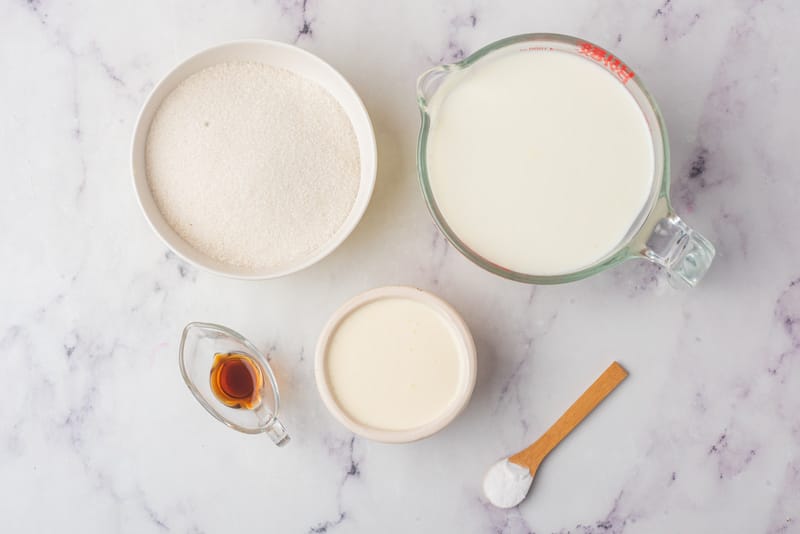
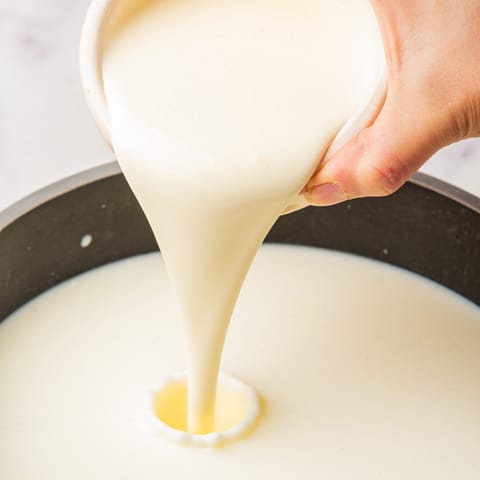
- Whole milkIt gives the dulce de leche its creaminess. It's the main ingredient, so choose a good-quality one.
- Crema de leche
- Heavy creamOur secret ingredient. It gives the dulce de leche extra creaminess, shine and an incredible texture, so we strongly suggest including it.
- Azúcar
- Refined white (granulated) sugar
- Bicarbonato de sodio
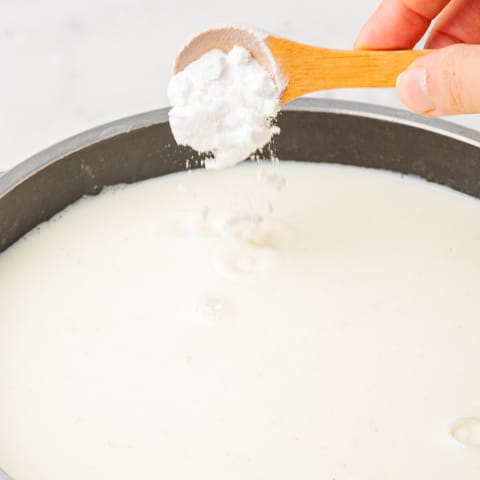
- Baking sodaIt keeps the milk from curdling and gives the dulce de leche its intense caramel color.
Where to buy
- We recommend making it at home: it's easy and the result is better than most jars. If you'd rather buy it, look for an Argentine brand like San Ignacio, La Serenísima or Havanna, at Latin grocers or online. Choose “repostero” if you'll use it for filling or baking: it's thicker and holds its shape. More in our dulce de leche buying guide.
Storage and make-ahead
Storage
Let the dulce de leche cool completely at room temperature and transfer it to a clean, sterilized airtight container, such as a glass jar. Keep it in the fridge and eat it within 2 weeks.
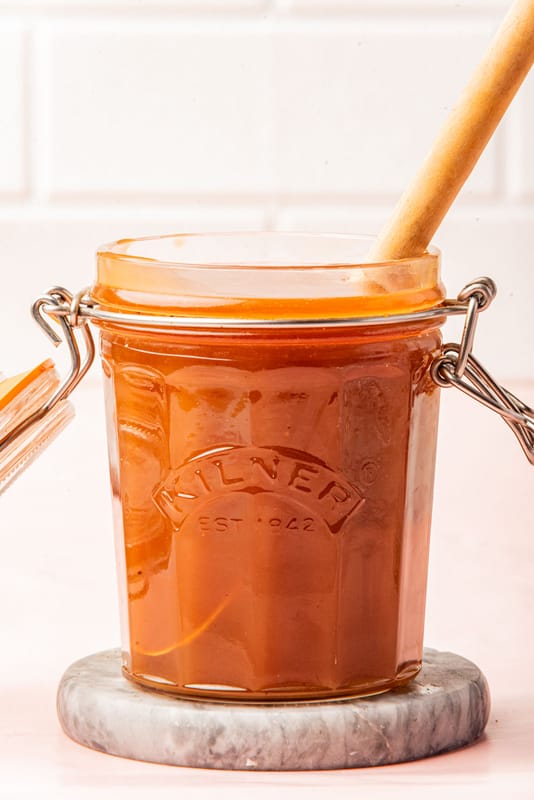
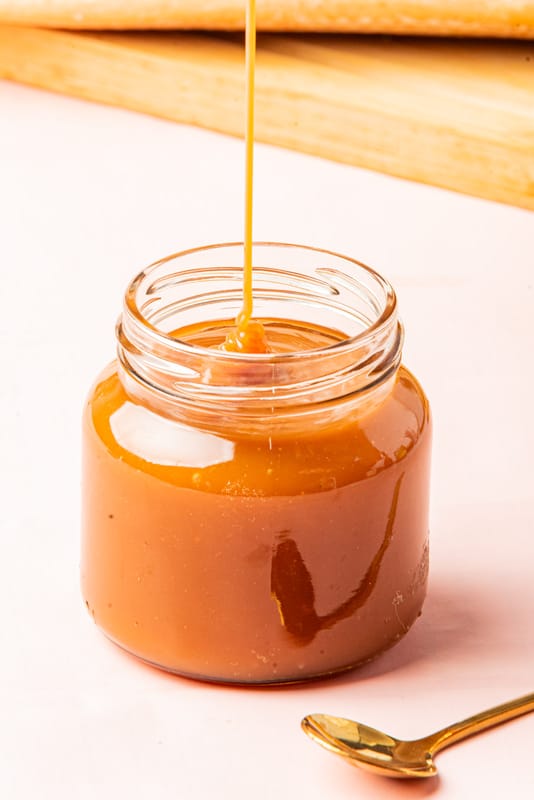
Make ahead
Make a big batch: it keeps for 2 weeks in the fridge and you'll find a use for every spoonful.
Questions
What is the secret to the best dulce de leche?
Most dulce de leche recipes are just milk and sugar. Our secret ingredient, which our families have used for decades, is heavy cream: a cup of it raises the fat content and gives you an extra smooth, creamy dulce de leche with a spectacular shine.
Is dulce de leche caramel?
No. They can sometimes stand in for each other, but they're not the same. Dulce de leche is made from milk and sugar, while caramel sauce is made by cooking sugar with butter and cream. Dulce de leche is a tad sweeter than butterscotch and a bit thicker than caramel sauce, with a more intense color.
Is dulce de leche only Argentine?
It's our national treasure, but it's also beloved in Uruguay, Chile and Paraguay, and you can find it in many parts of the world. In Mexico there's cajeta, which is quite similar but not the same: it's usually made with goat's milk.
Why did my dulce de leche turn grainy?
A sandy texture comes from overcooking or cooking it too hot, which makes the lactose crystallize. Keep it over low to medium heat the whole time, about 2 1/2 hours, and don't push it further even if it looks a little thin: it thickens as it cools.
What kind of pot and spoon should I use?
A pot with a thick bottom, which spreads the heat more evenly and helps keep the dulce de leche from burning on the bottom. And always a wooden spoon: wood is a poor conductor of heat, so you won't burn yourself stirring for such a long time.
How do you eat dulce de leche?
If you want to start your day with a sweet kick, you have to try toast spread with butter and dulce de leche, a typical Argentine breakfast we adore. It's also great on pancakes and as a filling for cupcakes, cakes, empanadas (Argentine hand pies) and churros, in chocotorta, in dulce de leche ice cream, or straight from the spoon. The options are endless, and our guide to dulce de leche has more.
Can dulce de leche go bad?
Yes. This homemade dulce de leche keeps for about 2 weeks in an airtight jar in the fridge.
Is dulce de leche gluten-free?
Yes, it's typically gluten-free: milk and sugar don't contain gluten. If you buy it, always check the brand's label.
Is there a simpler way to make dulce de leche?
Of course. If you don't have much time, you can make it with just one ingredient, a can of sweetened condensed milk, baked in a water bath. Here's our easy one-ingredient dulce de leche.

Candela Bach
Co-founder, sweets and baking
Candela is a food photographer and sociology student from Córdoba, Argentina, who fell for pastry behind the camera. She writes the sweet side of the site: dulce de leche, alfajores, chocotorta and everything you’d find at an Argentine merienda.