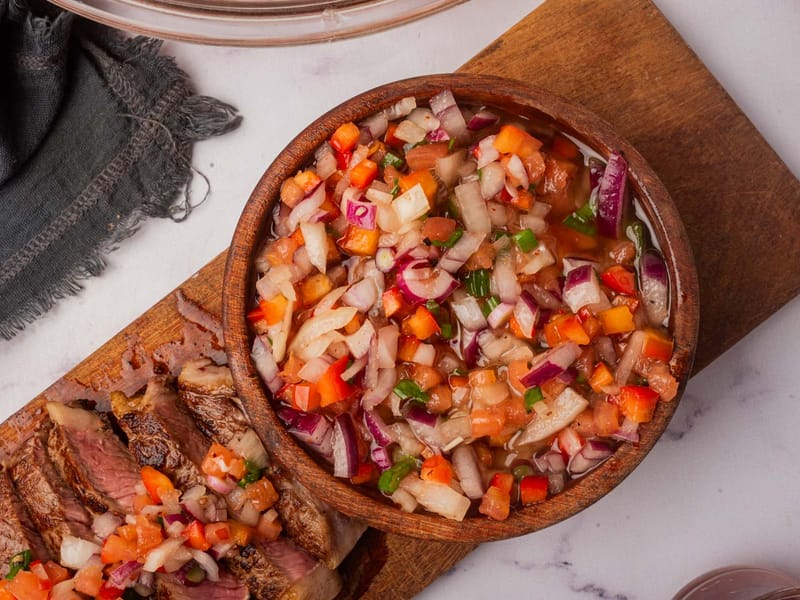
Authentic Argentinian Chimichurri
In Argentina: Chimichurri (chee-mee-CHOO-ree)
- Total time
- Difficulty
- Easy
- Makes
- 6 servings (¼ cup each)
- Diet
- Vegetarian, Vegan, Gluten-free, Dairy-free


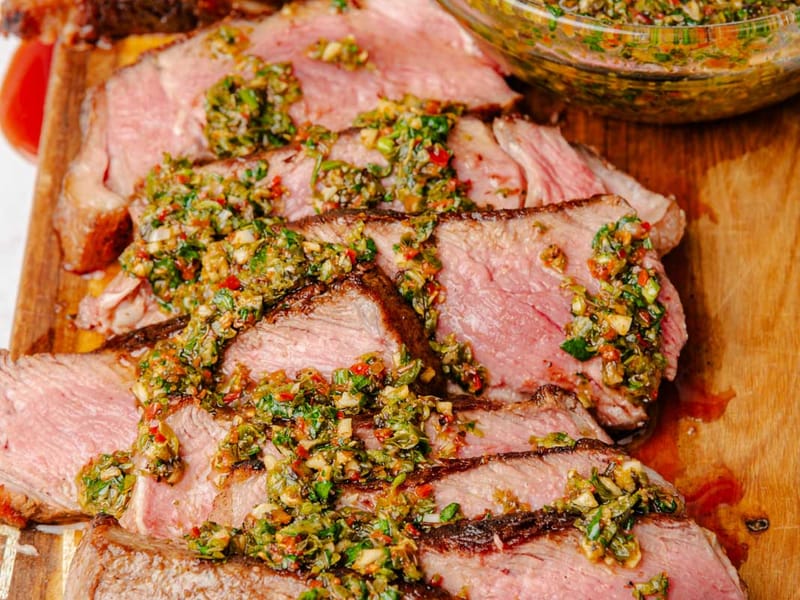
This chimichurri is the sauce for asado, choripán (the Argentine sausage sandwich) and grilled chicken. The classic is chopped garlic and parsley, vinegar, oil and dried herbs, and it’s endlessly customizable. Here’s our favorite version, and how to change it to your taste.
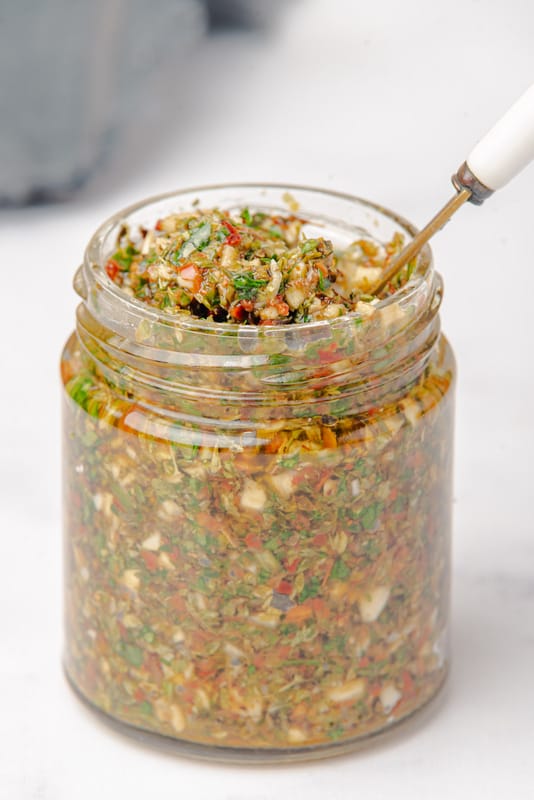
Chimichurri is a fairly liquid sauce that owes its flavor mainly to garlic and parsley. With just a few ingredients it has a strong presence and personality: they balance each other, giving the sauce just the right touch of heat and acidity, which makes it the perfect partner for any protein, especially off the grill.
Authentic Argentinian Chimichurri
Authentic Argentinian chimichurri: fresh garlic and parsley, oregano and red pepper in vinegar and oil. The sauce for asado, choripán and grilled chicken.
- Prep
- Cook
- Total
- Makes
- 6 servings (¼ cup each)
- Level
- Easy
Scale
Units
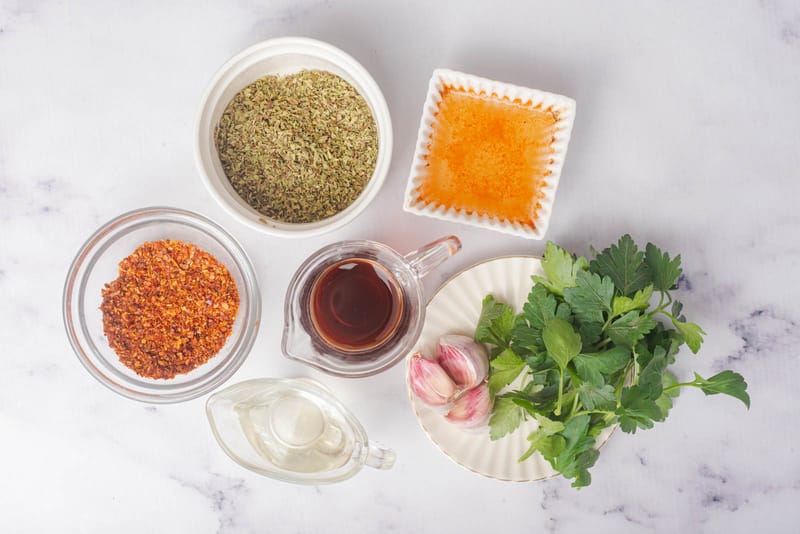
Ingredients
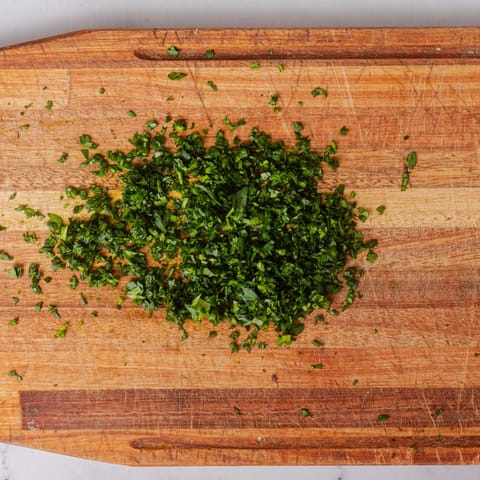
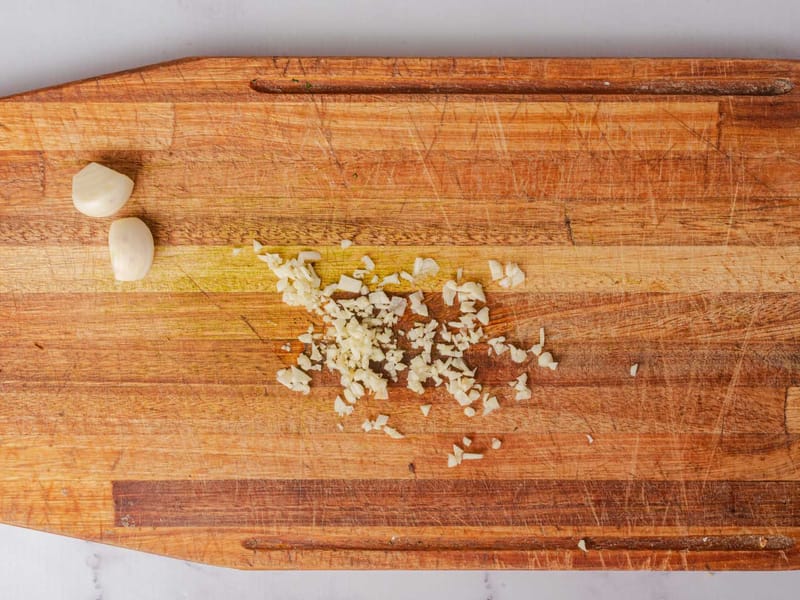
Instructions
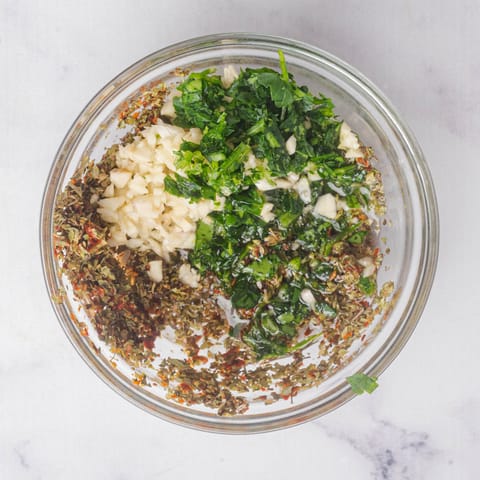
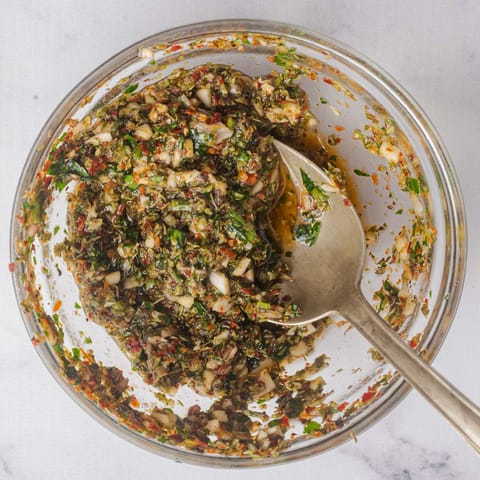

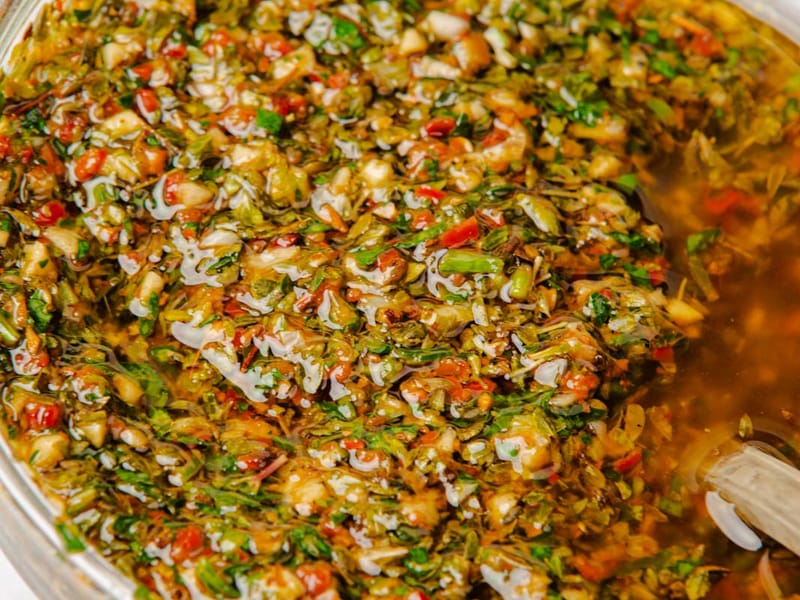

Nutrition (estimated, per serving)
1 serving = ¼ cup
- Calories
- 195 kcal
- Fat
- 21 g
- Carbohydrates
- 2.4 g
- Protein
- 0.5 g
- Sodium
- 178 mg
Calculated from USDA FoodData Central values for the ingredients. Actual amounts vary with brands and portions.

Cooking this in the US
Ingredients and substitutes
- Ají molido (crushed red pepper)
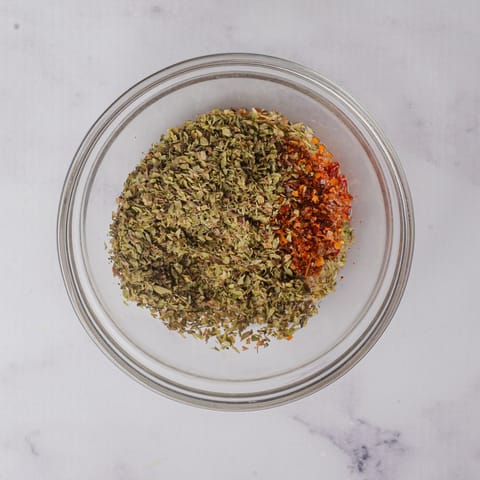
- Crushed red pepper. Chili flakes, merkén or peperoncino also work.This is what gives chimichurri its heat. Each of these has a different level of spiciness, so adjust the amount to what you're using.
- Orégano
- Dried oregano, easy to find anywhereYou can use fresh oregano if you have it, but it doesn't make much difference. It adds a lot of aroma and flavor.
- Salmuera (brine)
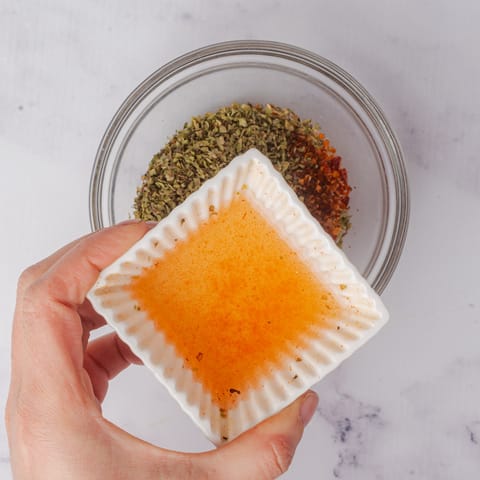
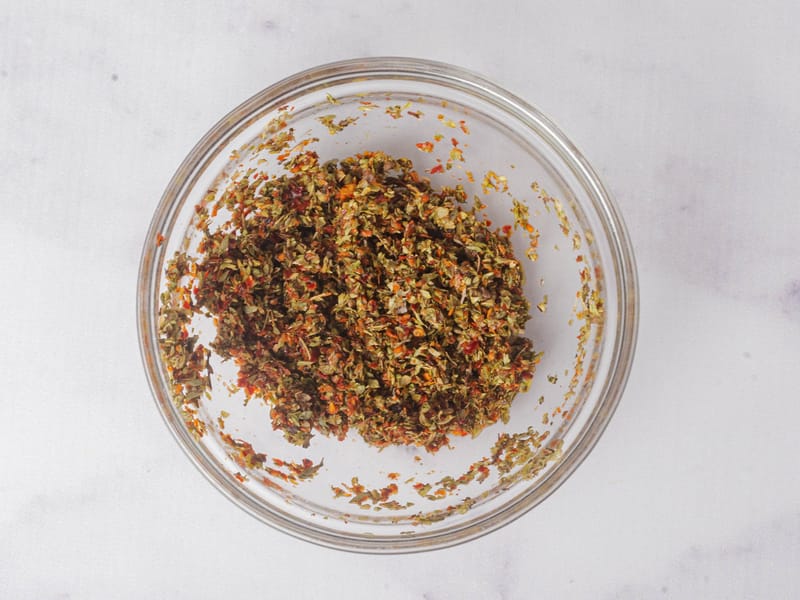
- Our homemade brine for asado; the recipe is in the FAQ below. It is optional: without it, season the dry ingredients with salt and pepper to taste and moisten them with warm water instead.I'd say it's the secret to a perfect chimichurri. It hydrates the dry ingredients so they don't soak up the oil and release their flavors better, and it adds complexity with notes of garlic, rosemary, oregano and paprika.
- Aceite de girasol o de maíz
- Sunflower or corn oil, or any neutral oilOlive oil has too much presence; its flavor would overshadow the subtleties of a perfect chimichurri.
- Vinagre de vino tinto
- Red wine vinegar, the traditional choice. Apple cider vinegar works without any problem.Besides the acidity, it cuts through the fat of the meats where chimichurri truly shines.
Storage and make-ahead
Storage
Store it in an airtight container in the fridge for up to 1 week. The flavors keep developing over time, but the herbs lose some of their vibrancy. For longer storage, freeze it in ice cube trays and move the frozen cubes to a freezer bag; it keeps up to 3 months. Thaw it in the fridge before using.
Make ahead
Thanks to the brine you can use it right away, but chimichurri tastes better after it sits for a few hours or overnight. The flavors meld together and the sauce gets more robust.
Questions
Where does chimichurri come from?
Its exact origin is unclear. It likely has pre-Hispanic Andean roots, since similar sauces are found throughout the Andes, like Peruvian salsa criolla, Chilean pebre or Bolivian llajua. What is certain is that Argentines will fiercely defend it as theirs. Along with salsa criolla, it's one of the cornerstones of Argentine cuisine, and our beef, arguably the best in the world, wouldn't have the reputation it has without chimichurri to bring out its flavor.
Is chimichurri spicy?
Only as spicy as you want. The heat comes from the crushed red pepper, so add more or less to taste. If you like it spicier, you can even add some fresh chile.
Can I use dried garlic and parsley?
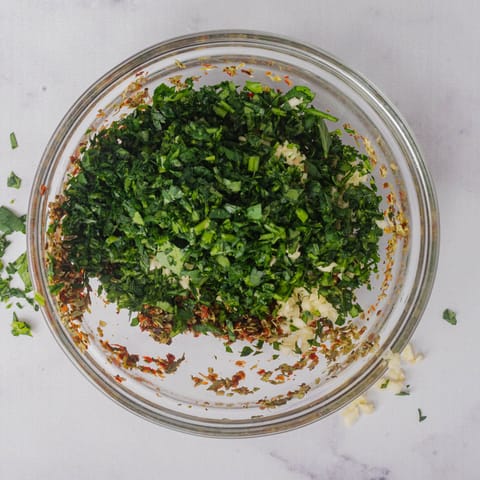
You can, but fresh is ideal. Finely chopped fresh garlic and parsley are the soul of the sauce and give it its freshness and presence.
What else can I use chimichurri on?
There are truly no limits. Beyond steak, it's great on chicken, fish and choripán. It works as a simple pasta sauce, a bolder cousin of garlic and oil. Drizzled over pizza it gives a delicious finish, roasted vegetables gain a lot of flavor bathed in it, and it even works as a salad dressing.
Can I use chimichurri as a marinade?
Yes. The acidity helps tenderize the meat and makes it more flavorful.
Can I freeze chimichurri?
Yes, it freezes well. Freeze it in ice cube trays for easy portions and thaw it in the fridge before using.
How do I make the brine?
In a large jar or pitcher, dissolve 3.5 oz (100 g) of coarse salt and 1 teaspoon of sugar in 1 quart (1 liter) of hot water. Add a scant 1/2 cup (100 ml) of vinegar, 4 crushed garlic cloves, a handful of dried oregano, 1 tablespoon of paprika and a few sprigs of fresh rosemary, and let it infuse as it cools. Keep it in a bottle in the fridge and warm up just what you need for the chimichurri. It makes much more than this recipe calls for, and that's on purpose: it's the key to a great asado, brushed over the meat while it's on the grill.

Sebastián Maestre
Co-founder, savory recipes
Sebastián is a concert photographer and web developer from Córdoba, Argentina, and the one in charge of the fire. He writes the savory side of the site: asado, empanadas, sauces and the cuts of beef behind Argentine grilling.