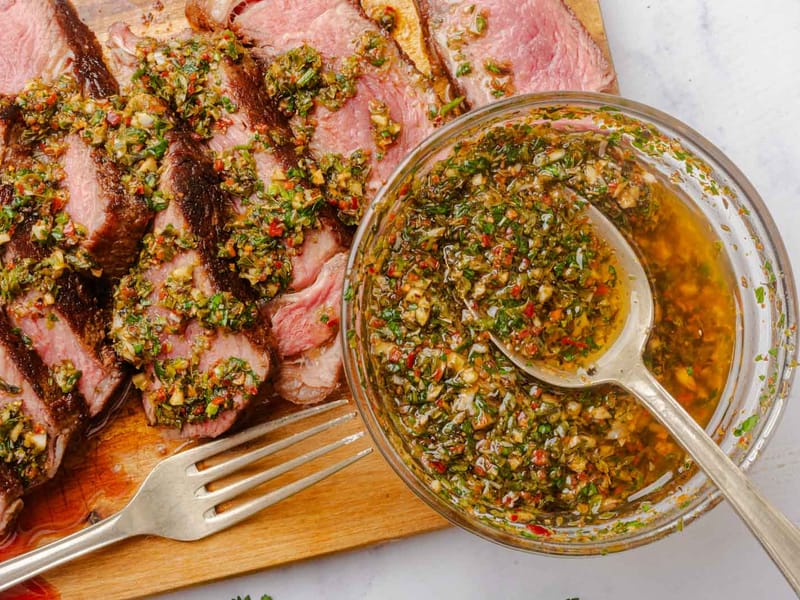
Argentinian Salsa Criolla (The Other Sauce for Asado)
In Argentina: Salsa criolla (SAHL-sah kree-OH-yah)
- Total time
- Difficulty
- Easy
- Makes
- 6 servings
- Diet
- Vegetarian, Vegan, Gluten-free, Dairy-free


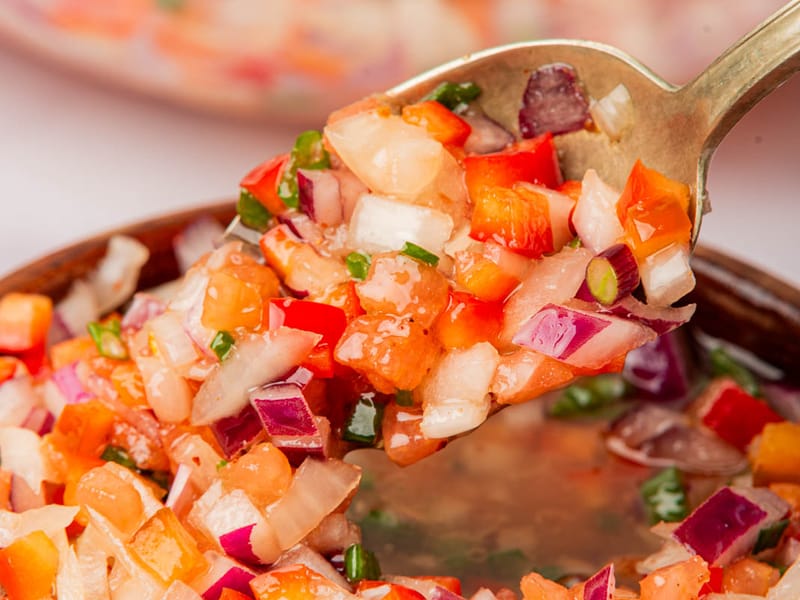
Salsa criolla is one of the two great Argentine sauces, along with chimichurri. Diced tomato, onion and bell pepper in red wine vinegar and oil: fresh, tangy, a little spicy. On a grill, that’s exactly what a rich cut of beef needs. At our asados it’s always on the table, spooned over steak and piled onto choripán.
It takes 30 minutes of chopping, no cooking, and it gets better overnight.
Argentinian Salsa Criolla (The Other Sauce for Asado)
Authentic Argentinian salsa criolla: tomato, onion and bell pepper in wine vinegar and oil. The fresh, tangy sauce Argentines put on grilled meat and choripán.
- Prep
- Cook
- Rest
- Total
- Makes
- 6 servings
- Level
- Easy
Scale
Units
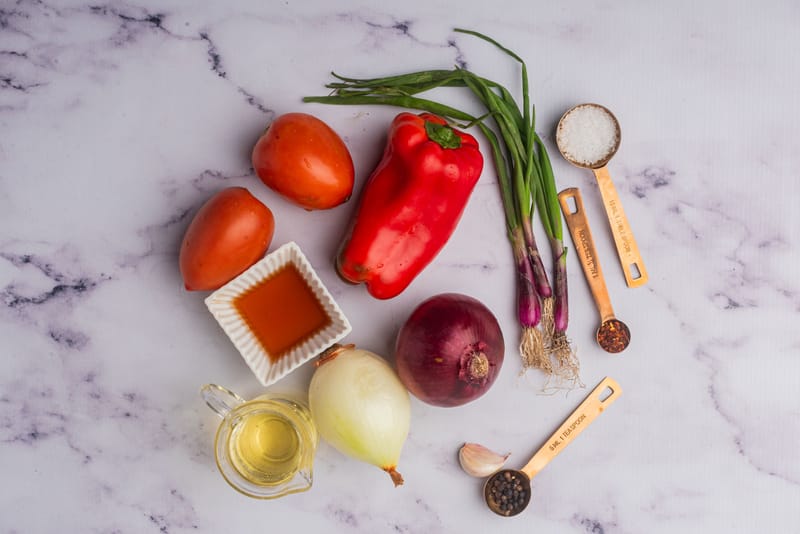
Ingredients
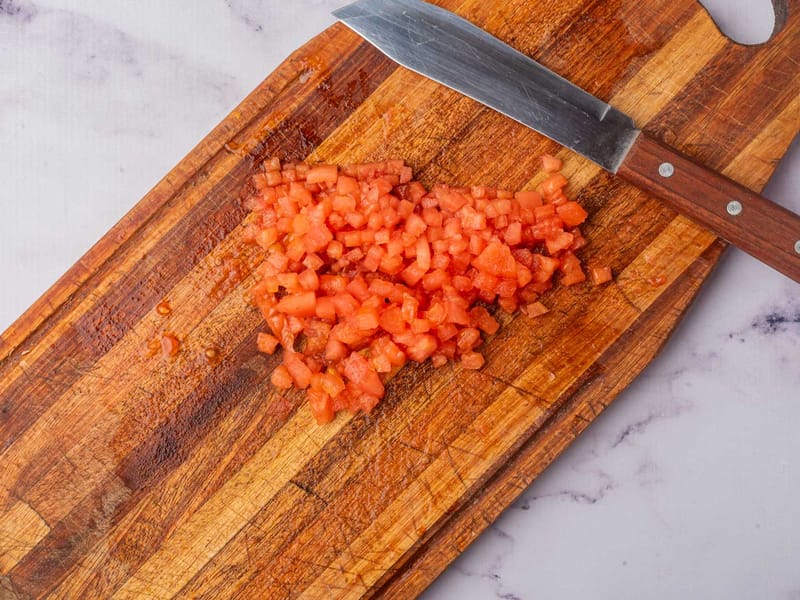
Instructions
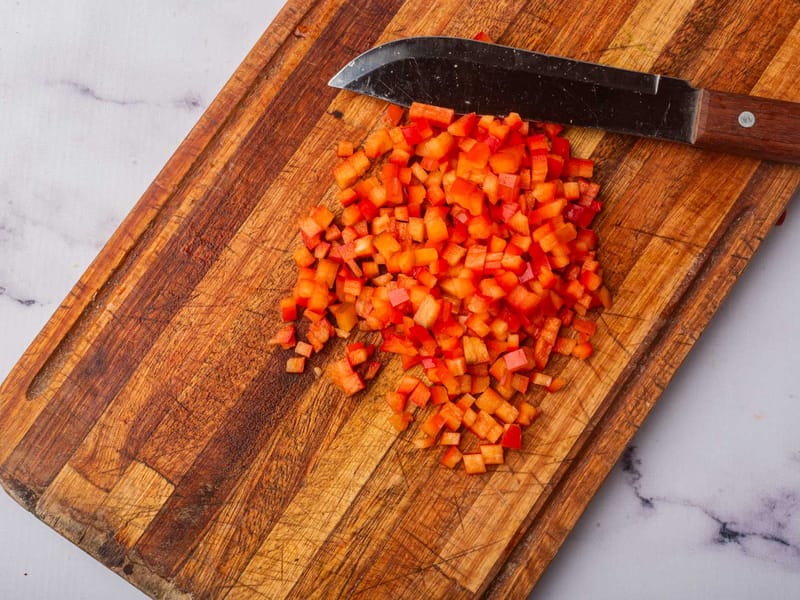
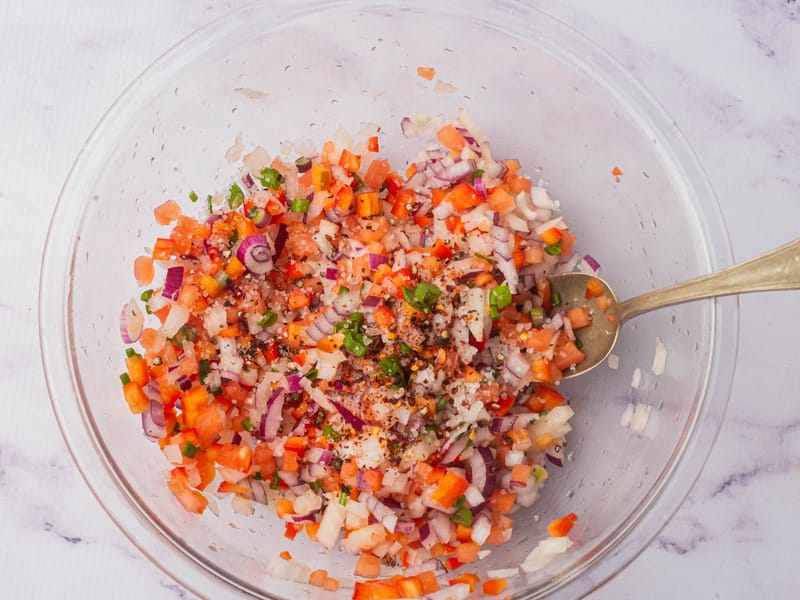
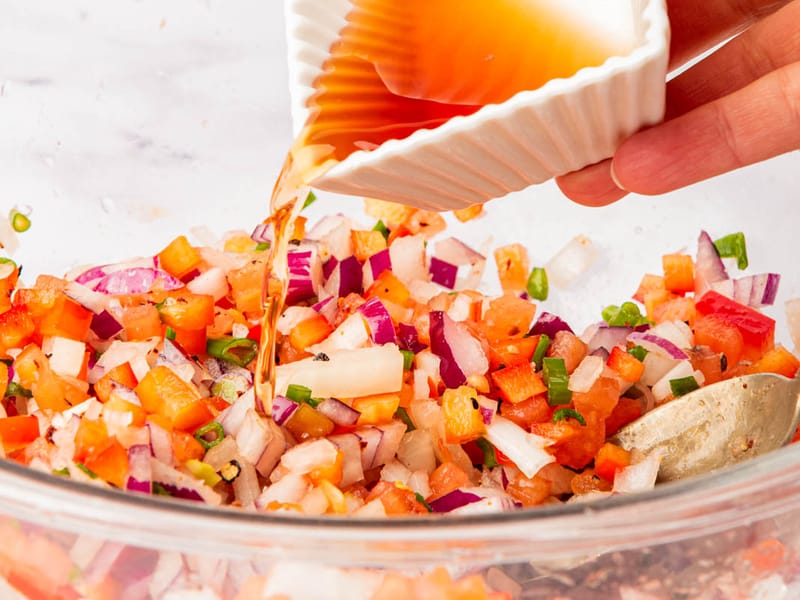
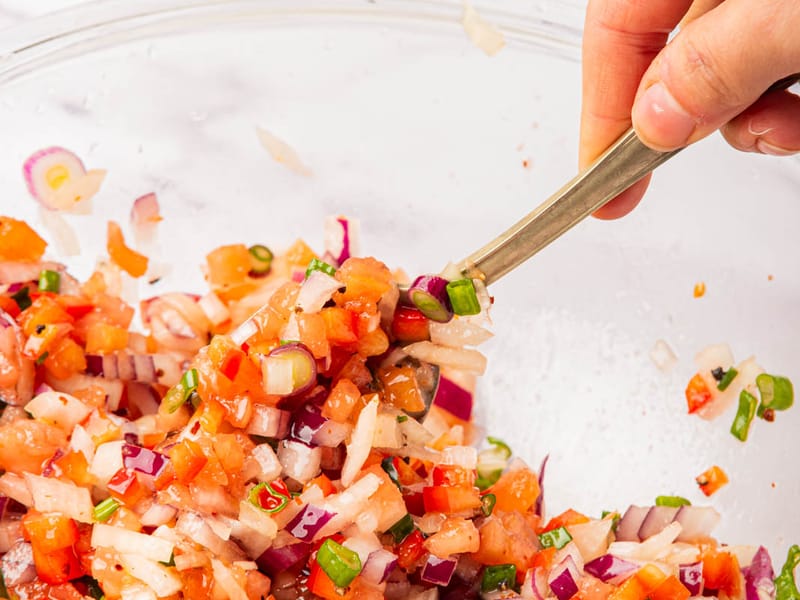
Timer: 30 min

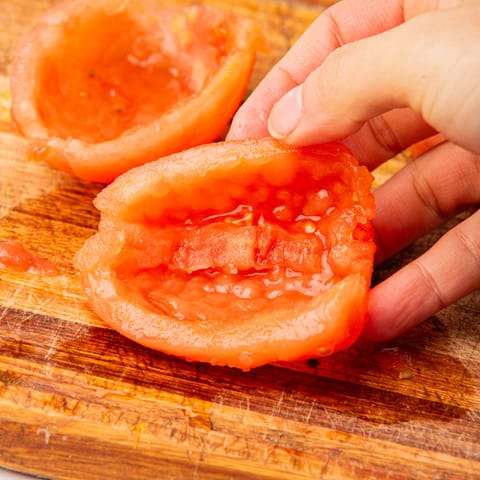
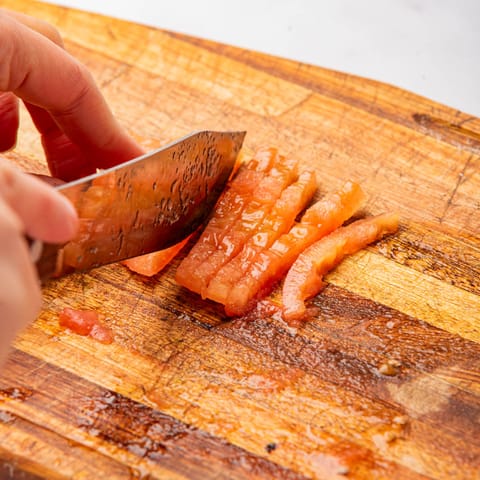
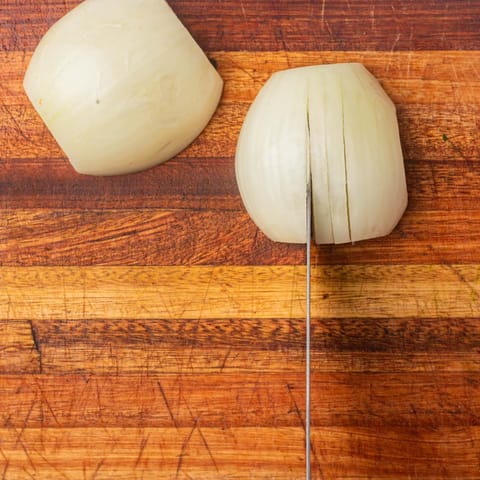
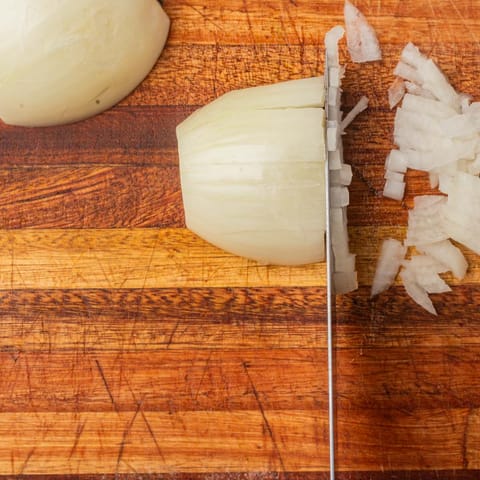
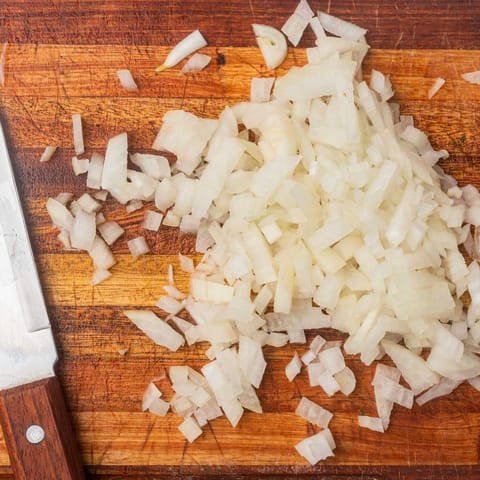
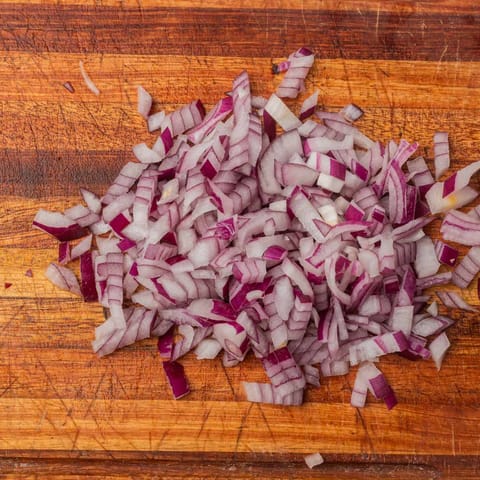
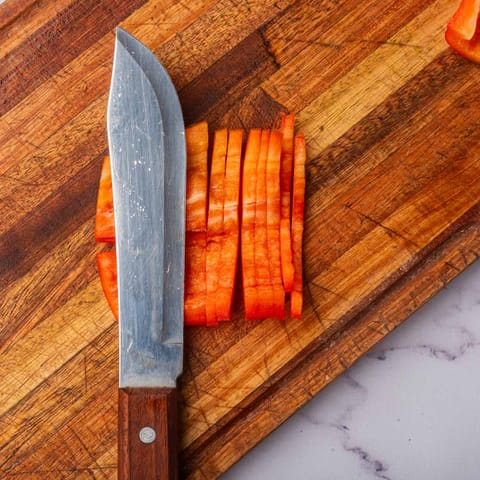
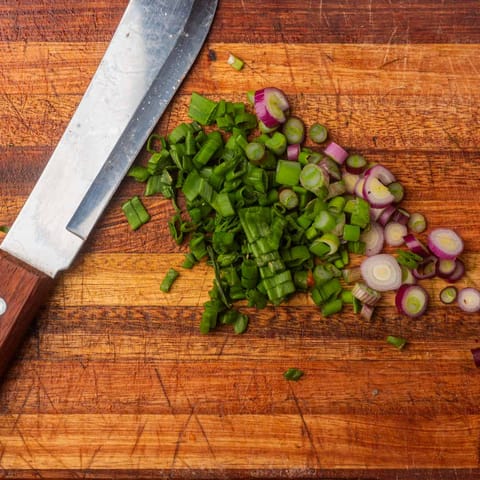
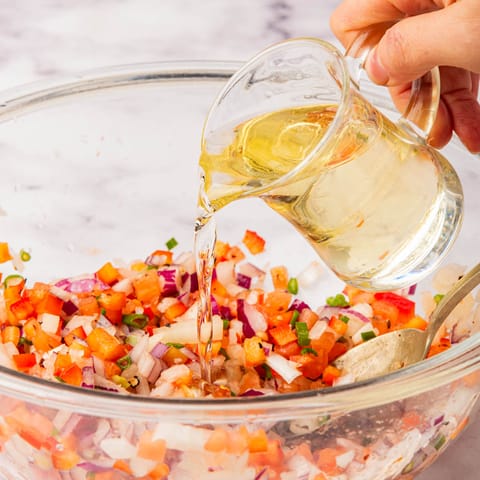
Nutrition (estimated, per serving)
- Calories
- 223 kcal
- Fat
- 21 g
- Carbohydrates
- 9 g
- Protein
- 1.4 g
- Sodium
- 588 mg
Calculated from USDA FoodData Central values for the ingredients. Actual amounts vary with brands and portions.

Cooking this in the US
Ingredients and substitutes
- Tomate perita
- Roma (plum) tomatoesThe closest to what we use in Argentina. Their firm flesh holds its shape instead of turning watery.
- Vinagre de vino
- Red wine vinegar, or white wine vinegarSkip distilled white vinegar, which is too harsh here.
- Aceite de girasol (sunflower oil)
- Sunflower oil, easy to find in the US. Corn, canola or any neutral oil works.Strong extra-virgin olive oil overpowers the vegetables.
- Sal parrillera (coarse grilling salt)
- Kosher saltDiamond Crystal and Morton are not interchangeable by volume: Morton is about twice as salty.
Storage and make-ahead
Storage
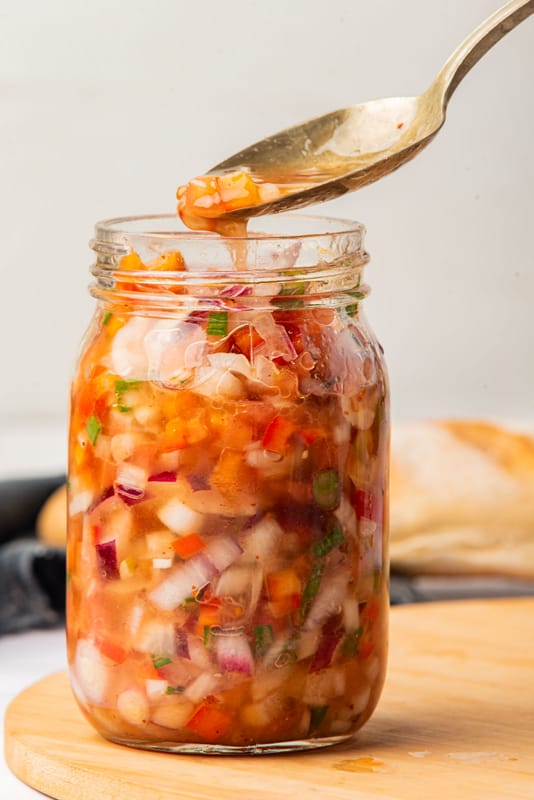
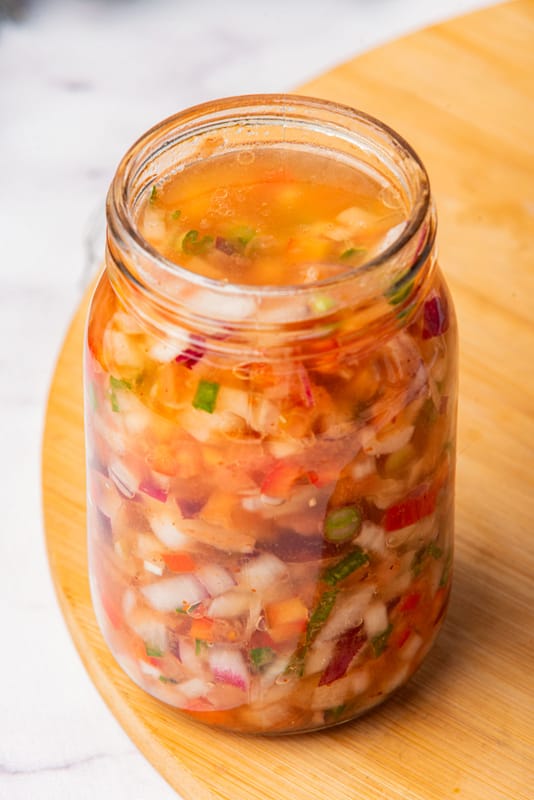
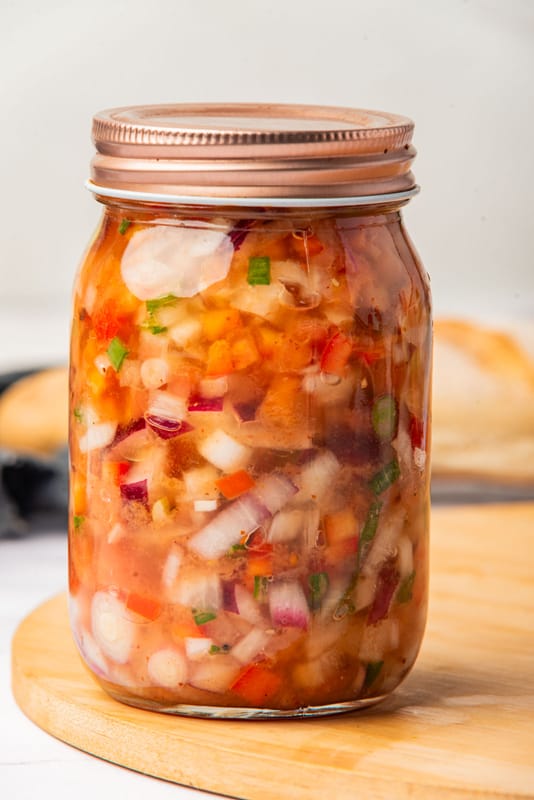
Keep it in an airtight glass jar in the fridge for 4 to 5 days, with the liquid covering the vegetables. Don't leave it out of the fridge for more than 2 hours. To freeze, pour it into an ice cube tray, freeze overnight, then move the cubes to a zip-top bag with the air pressed out; it keeps up to 3 months. Thaw in the fridge, never in the microwave, which cooks the vegetables. Throw it out if it bubbles, smells sharply sour or shows any mold.
Make ahead
It's better made ahead. After 8 hours or overnight the vegetables and the dressing trade flavors and the sauce comes together.
Questions
Is salsa criolla spicy?
Only as spicy as you make it. The base of tomato, onion and bell pepper is mild. Add more crushed red pepper, a minced jalapeño or extra black pepper for heat, or leave the red pepper out entirely.
Is salsa criolla the same as pico de gallo?
They look alike but taste different. Pico de gallo uses lime juice instead of vinegar, includes fresh chile and cilantro, and has no oil. Salsa criolla is dressed with vinegar and oil, which makes it tangier, richer and better at standing up to fatty grilled meat.
Where does salsa criolla come from?
Argentina, Uruguay and Peru all claim it, and there's no clear historical record of who made it first. Peru's version is mostly red onion and lime. The Argentine and Uruguayan one is the vinegar and oil sauce in this recipe, and it shows up wherever there's meat on the fire.
Can I change the vegetables?
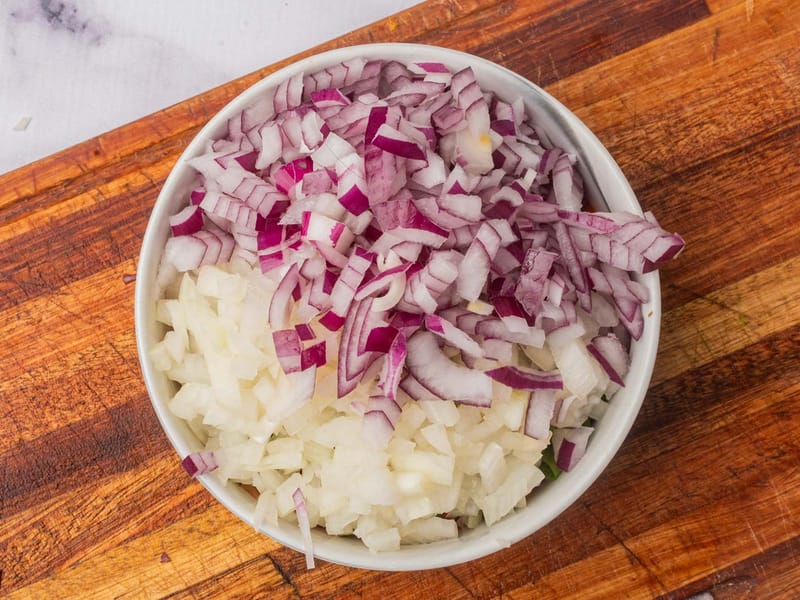
Yes. White onion is traditional; we use half white and half red because it's milder raw and adds color. Red bell pepper is standard, and mixing in yellow or green changes the flavor slightly and makes it more colorful. Cumin, parsley or a little cilantro are common additions.
Why wine vinegar and a neutral oil?
Argentina makes a lot of wine, and its vinegar has a gentle acidity that suits this sauce. A neutral oil keeps the vegetables in front.
Can I eat it as a salad?
Yes. Cut the vinegar and oil to a third and you have ensalada criolla, a classic Argentine side salad.

Sebastián Maestre
Co-founder, savory recipes
Sebastián is a concert photographer and web developer from Córdoba, Argentina, and the one in charge of the fire. He writes the savory side of the site: asado, empanadas, sauces and the cuts of beef behind Argentine grilling.